Why Must Steam Traps Be Monitored?
What Are Steam Traps?
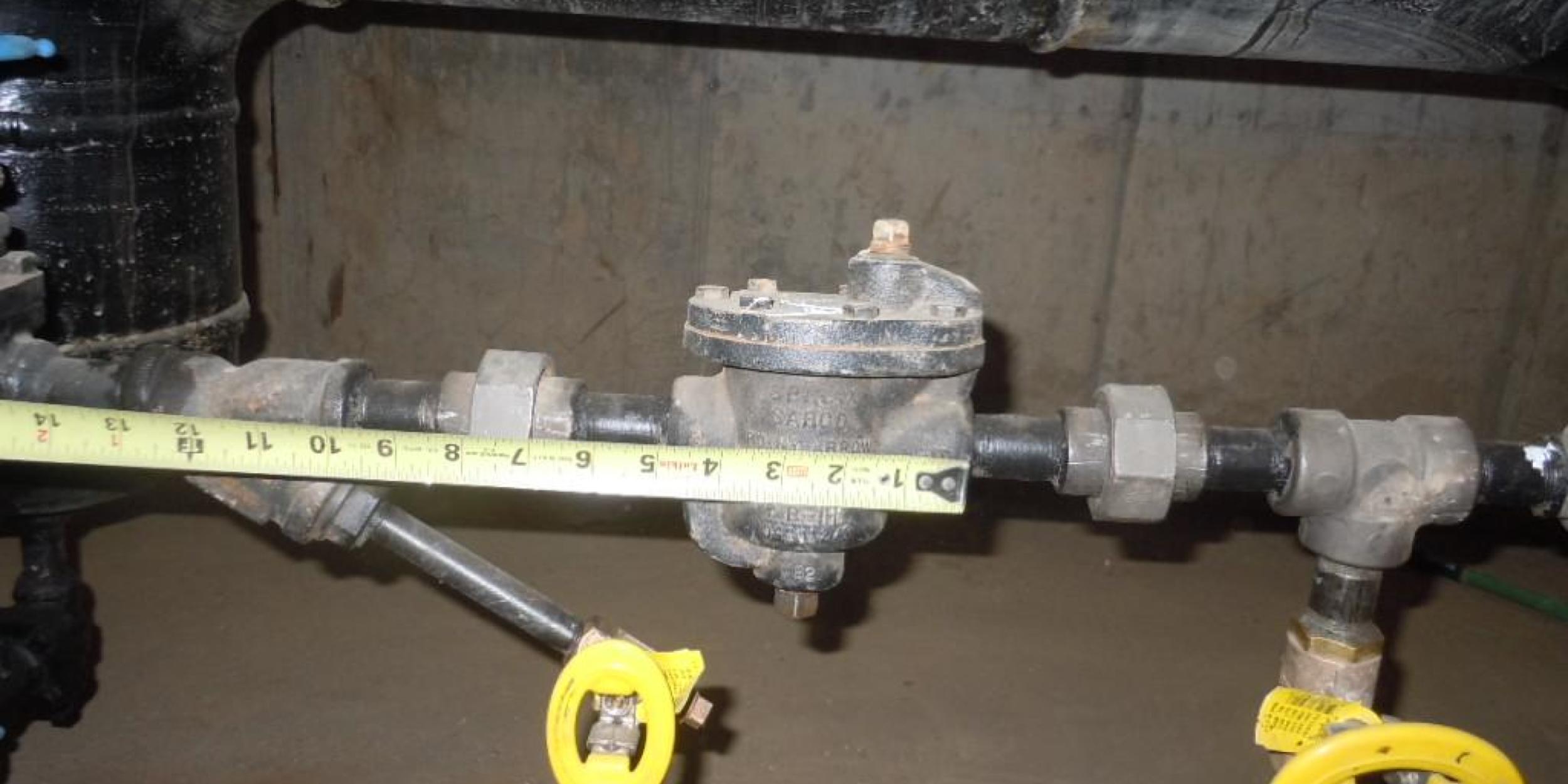
A steam trap is the separation point between the steam system and the condensate system. The purpose of a steam trap is to pass condensate, air and non-condensable gases from the steam system into the condensate system while not allowing live steam to pass into the condensate system. A steam trap is really nothing more than an automatic valve that discharges condensate and some non-condensable gasses. In a perfect world, they perform this task without consuming much live steam in the system. The most important functions a steam trap performs are the following:
- They get rid of condensate as soon as it is formed
- They get rid of non-condensable gasses
What Kinds of Steam Traps Are There?
There are four major types of steam traps:
- Mechanical Traps (inverted bucket & Float and Thermostatic)
- Thermostatic Traps
- Thermodynamic Traps
- Venturi or Orifice Traps
1. Mechanical Traps
Mechanical traps operate in direct relationship to condensate levels present in the body of the steam trap.A float rises when condensate levels increase and a mechanical linkage opens the steam trap valve so that it can drain. This is a rather straightforward process. Inverted bucket, Float and Thermostatic and float traps are examples of mechanical traps.
2. Thermostatic Traps
Thermostatic traps respond to changes in temperature and therefore discriminate very well between steam and cooler non-condensable gases. They can rapidly purge air from a system, especially on a cold start-up, and can be installed in various positions. Most frequently, actuation is by means of a bimetallic element or a bellows like capsule filled with a vaporizing liquid.
3. Thermodynamic Traps
Thermodynamic traps are phase detectors in that they can discriminate between liquids and gases. But they do not discriminate between steam and air or other non-condensable gases. Therefore they have a reduced ability to bleed-off those gases. Minute amounts of steam may also be passed. The thermodynamic working principle is simple and, with only one moving part, these small devices are rugged.
4. Venturi or Orifice Traps
These steam traps work by utilizing the basic physics of two-phase flow for the effective removal of condensate from steam systems. Steam and condensate pass through the Venturi nozzle steam traps by a series of staged steps. The denser liquid (condensate) throttles the venturi nozzle, which keeps the steam from escaping. Erosive eddy currents are eliminated and any contamination is carried away with the condensate. Because condensate is created continuously in a working steam system, the condensate continuously chokes the nozzle from losing steam as condensate is removed continuously.
Monitoring Steam Traps Performance and Heat Loss
If steam traps are opening too frequently because of temperature volatility, it’s likely that the extra wear and tear will necessitate frequent replacement. Conversely, if steam traps are not opening frequently enough and condensation is allowed to accumulate, this causes a whole other problem.
According to the Dept. of Energy approximately 20% of the steam leaving a central boiler plant is lost via leaking traps in typical space heating systems that do not have a steam trap monitoring system. In another article the Dept. of Energy goes on to say that in steam systems that have not been maintained for 3 to 5 years between 15% and 30% of the installed steam traps may have failed.
Most steam trap preventative maintenance programs are very labor intensive. They require field personnel to physically walk to the trap and take a temperature measurement at the inflow of the trap and at the condensate side of the trap. We all know usually what happens to preventative maintenance programs? The personnel is usually gravitating to maintenance and putting out fires instead of preventing them.
What is meant by “steam trap monitoring?”
Manual Steam Trap Monitoring
Steam traps can be tested by going to each steam trap and listening to the operation by using an ultrasonic instrument and/or using a sophisticated heat gun to check the temperature. In order for these two methods to be accurate valuable time must be spent at each steam trap to ensure a “rush” evaluation isn’t made. This method requires manpower that typically could be doing other work that will keep the system maintained for top performance.
Wireless Steam Trap Monitoring
A wireless steam trap monitoring system is a simple, cost effective way to monitor the operation of the steam trap. Utilizing thermocouples a wireless steam trap monitoring system is “on the job” 24 hours per day, seven days per week. The thermocouples are connected to a sensor, the sensor takes a temperature reading at periodic intervals. The intervals are usually in 15min. cycles. The sensor then wirelessly transmits the temperature readings to a gateway. The Gateway then utilizes cellular technology publish the information on a dedicated web site that the facility managers can utilize to gather important system information.
Wireless steam trap monitoring is an invaluable tool from the standpoint that as soon as there is a trap failure a text message and/or email is sent to whomever the facility manager wants to be notified. The savings associated with catching a steam trap in a failed open condition are tremendous. Rather than allow a steam trap to waste thousands of pounds of steam, the steam trap can be fixed immediately. Employees are now freed up by the wireless steam trap monitoring system to work on other projects.
Learn more about Thermaxx Smart Jackets (wireless steam trap monitoring insulation jackets) or contact us!

Thermaxx Jackets
Thermaxx Jackets was founded over 25 years ago with a single purpose: to help our clients save energy with removable insulation blankets when traditional stay-in-place insulation is not practical. Our dedication to this purpose has resulted in a long list of customers who have saved money thanks to Thermaxx Jackets! Combining expertise in heat loss, wireless monitoring, insulation design, and several other disciplines, we’ve become the #1 provider and fabricator of removable insulation jackets and covers. The Thermaxx Sales and Service teams are experienced and trained to provide clients with the most timely and cost-effective solution.
Categories
- removable insulation
- thermaxx jackets
- energy savings
- savings
- energy efficiency
- safety
- pipe insulation
- energy
- case study
- insulation materials
- thermal insulation
- heat loss survey
- heat loss
- energy loss
- hot insulation
- fiberglass
- installation
- steam
- New York
- custom insulation
- NYC Case Study
- boiler
- university
- Connecticut
- reusable insulation